
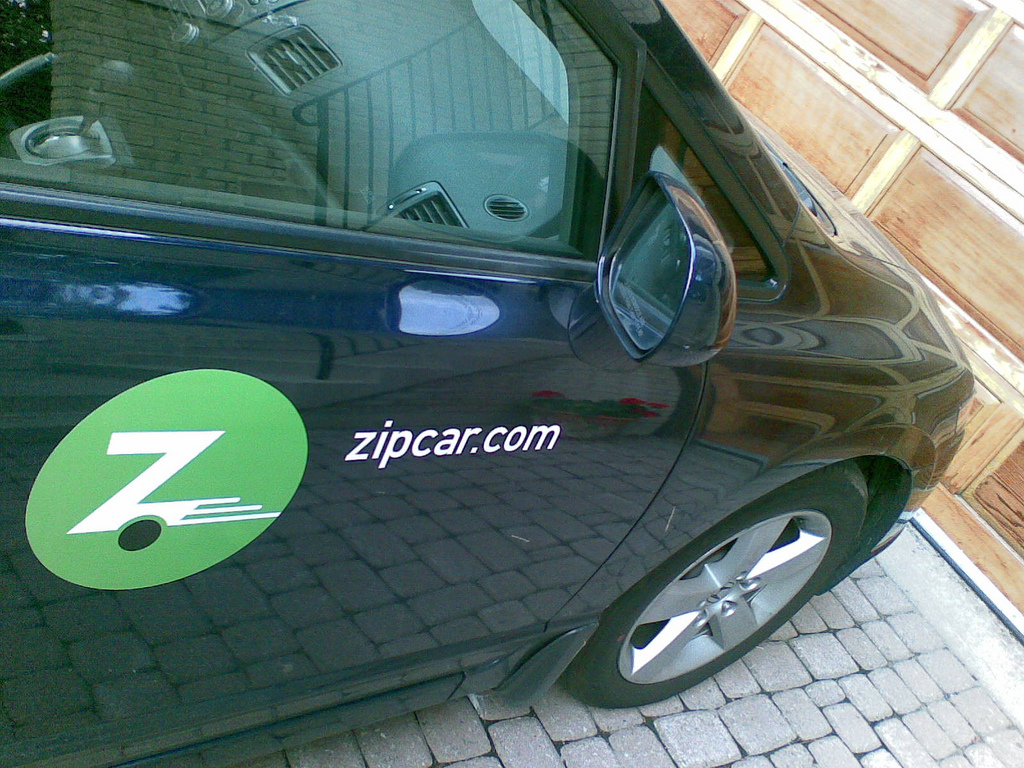
Photo credit: Andrew Currie / Foter / CC BY.
Last October, UC Berkeley's Transportation Sustainability Research Center (TSRC) conducted independently funded research on Zipcar for Business carsharing users, surveying nearly 24,000 Zipcar members in North America — of which only 523 were corporate users. Their findings break down as follows:
Joining Zipcar caused nearly 20 percent of corporate users surveyed to either sell or postpone buying a vehicle. Extrapolated out to all of the 175,000 Zipcar for Business users, that means an estimated 33,000 cars were kept off the road thanks to Zipcar for Business.
This year, we’ve seen Mutual Aid in Motion.
From scaling sharing hubs to Mutual Aid 101 trainings, we’re helping communities build the tools they need.
Every dollar fuels lasting resilience – proving that when we move together, we all move forward.

- 49 percent claim they are less likely to buy a car in the near future since joining Zipcar
- 41 percent claim that their likelihood of purchasing a vehicle has not changed
Zipcar for Business members also claimed to walk and take public transit slightly more often than they previously had, while some reported a slight decline in biking.
- 41 percent reported walking more often
- 7 percent reported walking less often
- 41 percent reported taking public transit more often
- 13 percent reported taking public transit less often
- 22 percent reported biking more often
- 19 percent reported biking less often
If Zipcar were not an option…
- 37 percent of corporate users would use a traditional car rental company
- 24 percent would drive their own or a borrowed vehicle
- 11 percent would not make the trip
- 2 percent would accomplish the task online
A previous TSRC survey showed that one shared car replaces up to 13 owned cars, but this was for home users. That business carsharing has a similar impact is surprising and welcome news.
