
In September last year, I spent a month seeing if I could survive in the sharing economy in London. It was hard. However, one of the reasons it was so hard was I was traveling. I only had a backpack and laptop with me, so I could not leverage the two profitable areas of the sharing economy — stuff and space.
Fast forward a few months, and the experiment has had a crazy impact on my life. It seems people are really interested in how the sharing economy can become part of your lifestyle and I’m being asked (a lot) whether I think it is possible to survive in the sharing economy. The thing is, I don’t really know if I can answer whole-heartedly one way or the other. Without utilizing my space and my stuff, I only tested a part of the market.
So it seems that another experiment is in order, and this time I am not so interested in if you can just survive in the sharing economy, but if you can actually thrive. Can I create ostensibly a "cost-neutral lifestyle" where my expenses and earnings in the sharing economy balance each other out? Can I be self-sustaining just by using the sharing economy?
This year, we’ve seen Mutual Aid in Motion.
From scaling sharing hubs to Mutual Aid 101 trainings, we’re helping communities build the tools they need.
Every dollar fuels lasting resilience – proving that when we move together, we all move forward.
Each month, I will be exploring one sector of the sharing economy from stuff to space to skills. But, to start this grand adventure, I needed to look at something that I don’t look at very often — my bank account.
Expenses
After nine months of back-packers, friend’s couches, and dodgy apartments, last year I spent practically nothing on accommodation. So, as I sat in the real estate agent’s office with a pen in hand, a bolt of fear struck my heart. A two-bedroom place in the inner west is going to cost me and my boyfriend over $34,000 in a year, half of which I need to come up with.
Then there are expenses like electricity, gas, Internet, mobile phone plans, food — my share being at least $300 per month. There is transport and decisions like do we buy a car or spend the money on public transport and the occasional taxi?
Cringing and peeking through my fingers, I also see my guilty expenses: new clothes, take-away food when I am too lazy to cook, and going out with friends who I haven’t seen for so long. It practically glares at me in black and white. I don’t want to deny myself these things, but they also add up to ridiculous amounts that I seem to hardly notice.
I am using a great app called Pocketbook to keep track of my spending. Below are the results for the last 14 days (with a few caveats).
Caveats:
-
Travel is a little high, as I booked flights back to Perth (on the other side of Australia) to visit my parents in April.
-
Home is a little high, as we just moved into a new house so have been spending a little bit more on buying food supplies and the odds and sods.
-
Bank charge is the annual fee for my credit card.
-
Utilities are a bit high, as I upgraded to a new phone (and this was offset by selling my phone for $290).

Making Money
Then there is the other side of the equation: How can I make money to pay for my expenses? Thankfully, after my experiment in London last year, I sat down and wrote a book about the ways you could make money in the sharing economy. In the book, I ask the reader to answer a whole bunch of questions like:
-
Is your whole house filled with a bunch of stuff that is too good to throw away but you don’t really need?
-
Do you have a spare room? Or are you going on holiday soon?
-
Do you have a nice office space in your home?
-
Do you have a place where people can store items?
-
Do you like cooking?
-
Do you have too many clothes in your wardrobe and nothing to wear?
-
Do you have a car that you hardly use?
-
Are you handy or have some spare time?
-
Do you like to paint, draw, or do craft?
-
Do you love animals?
So I asked myself the same questions and came up with some quick answers.
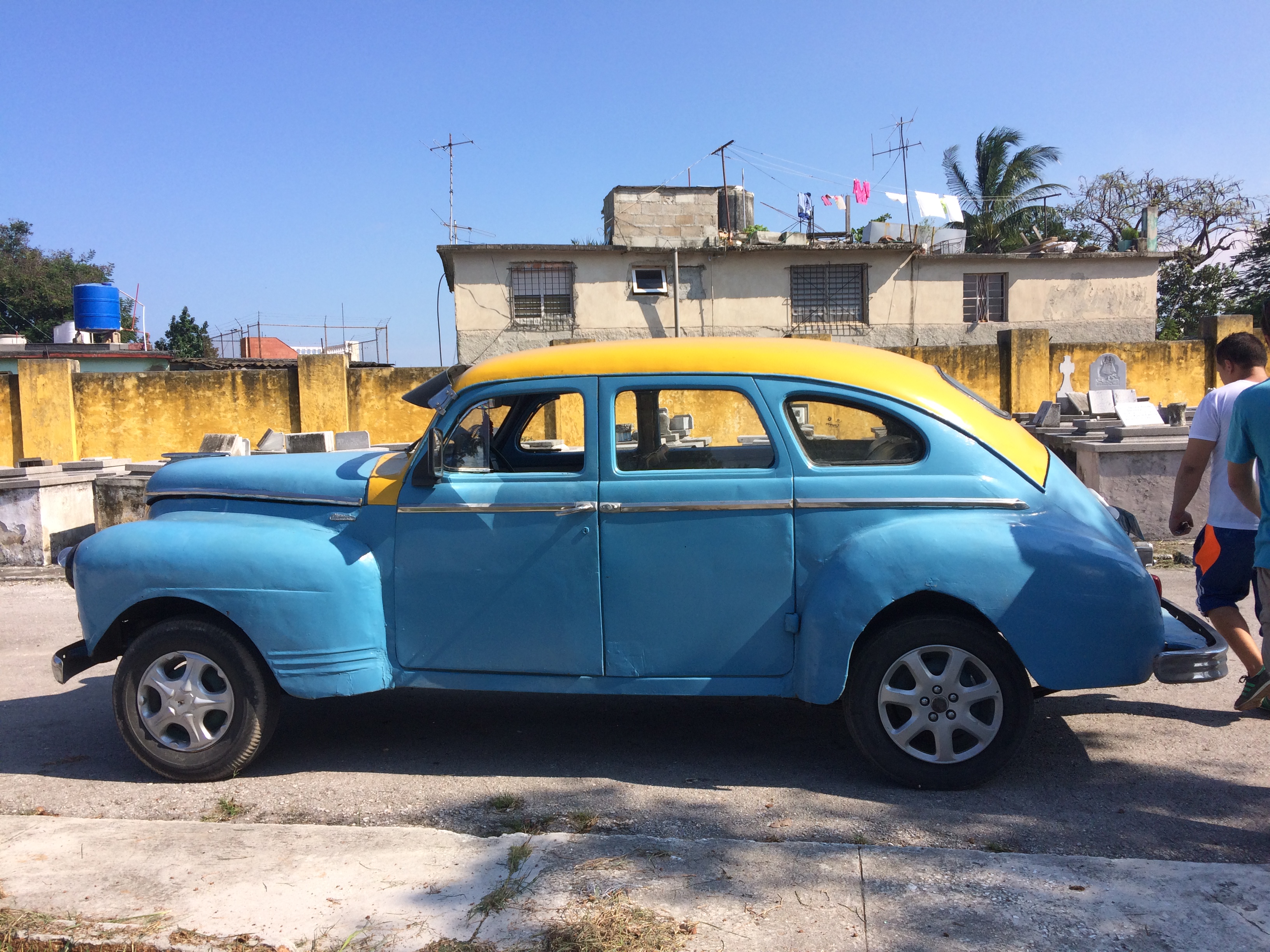
Despite throwing away so much stuff before I put everything into storage, I definitely have stuff that I just don’t use anymore — that I can sell or rent out to people. I am lucky enough to have a spare room so, with a bit of encouragement, I might be able to convince the boyfriend to let me put in on a home-stay platform. I definitely have some spare time and I love people, so maybe I can teach, baby-sit, or even do tours of my favourite parts of the inner west. I have photos from my travels from exotic places like Cuba and Switzerland that maybe will make great art that I can sell on Etsy. And I have an embarrassingly large wardrobe full of clothes that I am sure people could make more fashionable than me.
The more I think about it, the more I realize that I have a lot to share and not just my stuff — also my ideas, knowledge, and stories. And I’d like to share them with you. So, if you are keen to follow my progress in The Chelmsford Street Story, I will be posting a weekly blog and trying to put together some kind of summary article each month. You can also download my book How to Make Money (and a Whole Lot More) by Sharing for free until February 15.
I’m excited about the journey ahead because, whether the experiment is a success or a failure, I know that sharing makes me happy.
