
Libraries are vital community spaces. But many face shrinking budgets. They also face an increasingly-digital landscape, which requires new approaches to stay relevant. A new toolkit aims to help librarians use design thinking to create innovative programs for their libraries.
Created by design firm IDEO, with support from the Bill & Melinda Gates Foundation, Design Thinking for Libraries: a Toolkit for Patron Centered Design, is free and open to all. It includes examples, case studies, tips, resources, and step-by-step directions to implement new ideas.
Using design thinking, which is described as a “creative approach, or a series of steps that will help you design meaningful solutions for your library,” library staff can create innovative solutions to everyday challenges. The creators of the toolkit hope it will further empower librarians and library staff to become “ambassadors of change.”
This year, we’ve seen Mutual Aid in Motion.
From scaling sharing hubs to Mutual Aid 101 trainings, we’re helping communities build the tools they need.
Every dollar fuels lasting resilience – proving that when we move together, we all move forward.


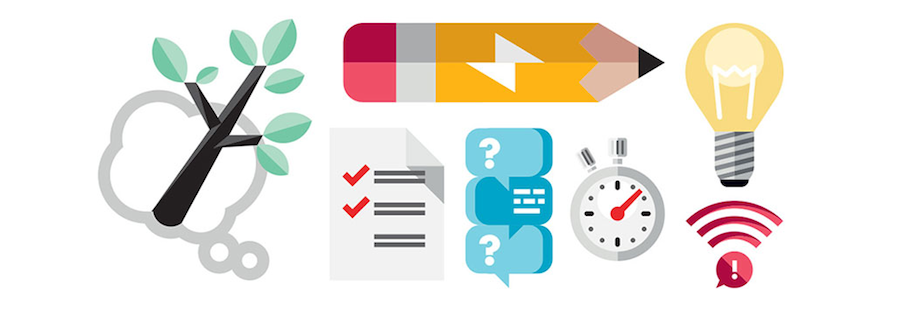
The toolkit details the three main stages of design thinking: inspiration, ideation and iteration. You start with a challenge, you generate and implement ideas, then you test and refine the ideas based on user feedback. Here are the key steps:
Choose a Challenge: What is a pressing need or challenge you’d like to solve?
Get Inspired: Getting out of thought ruts is at the heart of design thinking. To get the wheels of inspiration spinning, talk to the community, immerse yourself in other peoples’ perspectives and experiences, visit new places and look at things with fresh eyes.
Generate Ideas: Bring several people together to brainstorm ideas. Give yourself plenty of time and give everyone creative freedom. During this time, you should defer judgement, encourage wild ideas, build on the ideas of others, stay focused on the topic, have one conversation at a time, be visual, and go for quantity.
Bring Your Idea to Life: Now it’s time to narrow down the brainstorm ideas and choose a favorite to bring to life. The best way to do this is to build a quick prototype to help visualize the project. Good tools to use here include paper, pens, scissors, markers, crayons, craft supplies, glue, fabric, and poster board. You could also create a digital mock-up, do a role-play to demonstrate functionality, create a 3D model, rearrange a space, or whatever else works for your purpose.
Iterate: It’s now time to get your idea out into the world. By doing so, you open yourself up for direct, honest, constructive feedback from the people you’re designing for. Don’t be afraid to reach out to people and ask them for feedback. Ask focused and engaging questions, make a list of what you learn, and take the ideas back to the team for further iteration.
Share: Once you’ve refined your project, it’s time to share the story of what it is, how it came to be, and what your hopes are for it. When talking with people (or pitching supporters or funders, as the case may be), the suggested narrative is: introduce yourself and your team; define the challenge you’re solving; share your sources of inspiration; talk about the ideation process; share the feedback you got and iterations it prompted; and let people know how they can help or get involved.
The Design Thinking for Libraries toolkit is available as an at-a-glance guide, a full toolkit, and a toolkit activities workbook. Download them at Design Thinking for Libraries.
##
Follow @CatJohnson on Twitter
